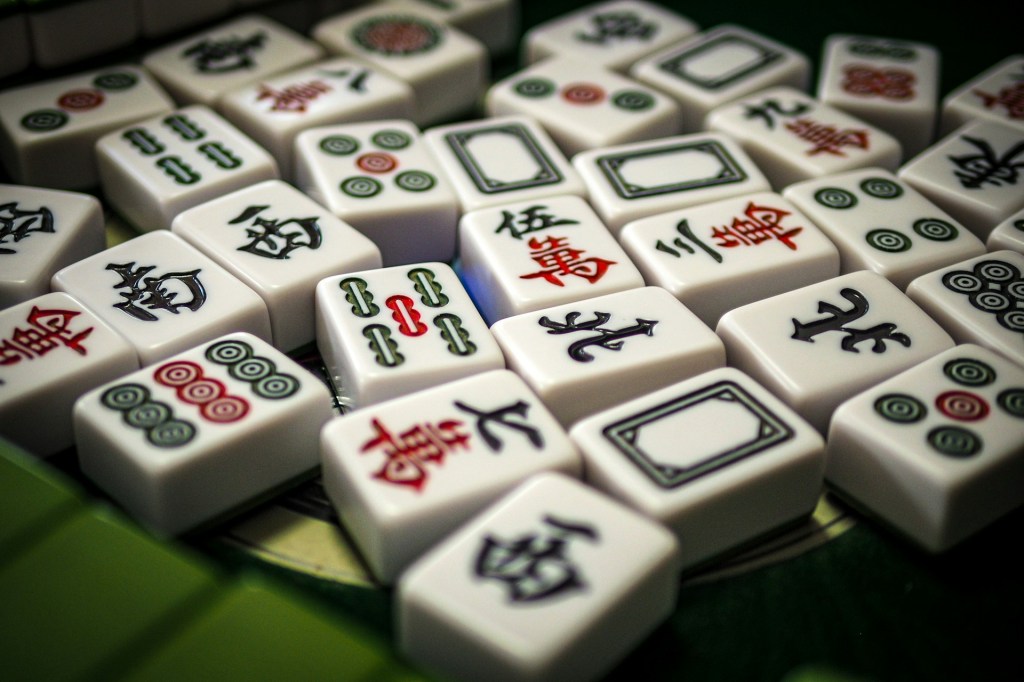
American Mahjong—also spelled Mah Jongg—is a richly layered, tile-based game derived from its Chinese origins. While it retains the core structure of traditional Mahjong, the American variant has evolved into its own unique format, complete with new rules and special tiles. One of the most distinctive features of American Mahjong is its tile set, which we’ll explore in detail in this post.
A Brief History of American Mahjong
American Mahjong made its way to the United States in the 1920s, largely thanks to Joseph Park Babcock, an American businessman based in Shanghai. He published a simplified rulebook to make the game more accessible to Western players.
By 1935, the National Mah Jongg League (NMJL) had formalized the rules, creating a uniquely American style of play that included the use of Joker tiles, annual cards, and The Charleston—a special series of tile passes performed before gameplay began.
Today, American Mahjong is enjoyed socially in homes, restaurants, libraries, and community centers across the country. In addition to casual play, tournaments are held throughout the U.S. and Canada, with leagues and organizations actively supporting the game’s continued growth.
How Many Tiles Are in American Mahjong?
A standard American Mahjong set includes 152 tiles, divided into several categories. These tiles are similar in layout to traditional Chinese sets but feature numerals on the tiles and jokers which not found in other versions of the game.
Let’s break them down:
1. Numbered Suits (108 Tiles Total)
These are the core suits in the game, much like the suits in a deck of cards. Each suit contains tiles numbered 1 through 9, with four copies of each.

Dots (36 tiles)
- Also known as circles
- Usually marked with circular patterns and a numeral

Bamboos (36 tiles)
- Also known as “Bams”
- The One Bamboo tile is unique in American sets, where it is often depicted as a bird. Because of this design, it is sometimes mistaken for a Flower tile.
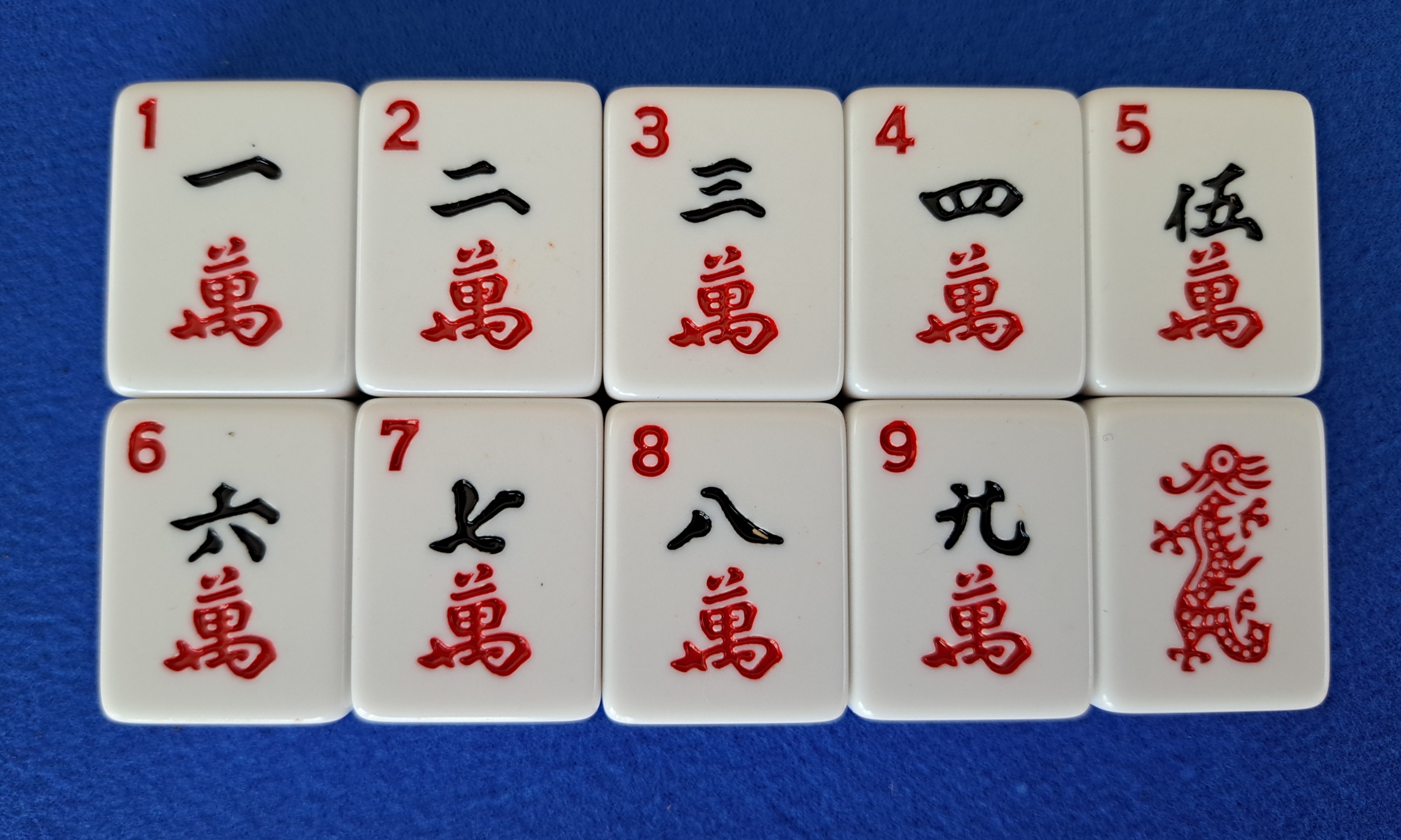
Characters (36 tiles)
- Often shortened to “Craks”
- Feature Chinese characters with a numeral in the corner
2. Honor Tiles
These tiles don’t belong to numbered suits but are essential in many scoring hands.
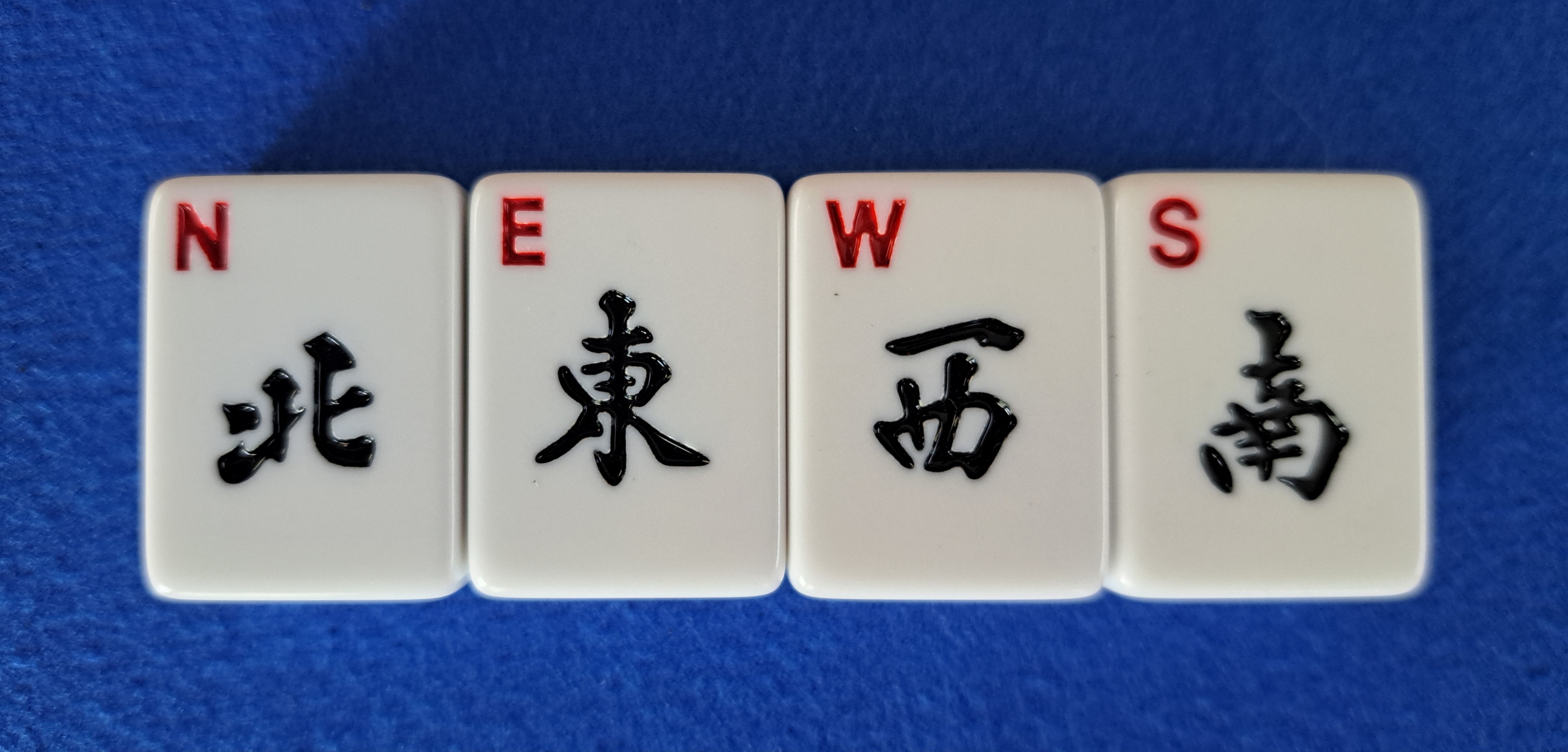
Winds (16 tiles)
- East, South, West, North
- Four of each
- Labeled with both Chinese characters and English letters (E, S, W, N)
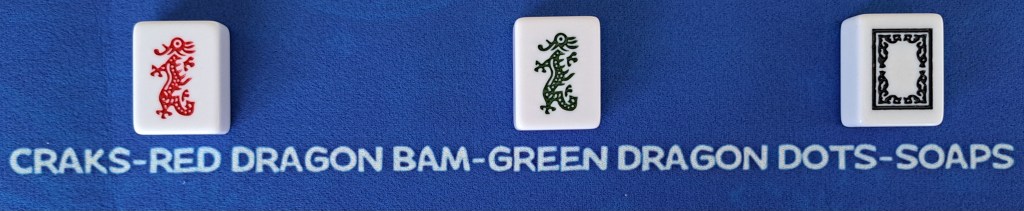
Dragons (12 tiles)
- Red, Green, and White
- Four of each
- Red Dragon: “中” or a red dragon image
- Commonly paired with Craks (Characters).
- Commonly paired with Craks (Characters).
- Green Dragon: “發” or green dragon image
- Commonly paired with Bams (Bamboos).
- Commonly paired with Bams (Bamboos).
- White Dragon: Sometimes called “Soap” and can represent a zero in certain hands.
- Commonly paired with Dots.
- Commonly paired with Dots.
- Red Dragon: “中” or a red dragon image
3. Flowers and Seasons (8 tiles)
American Mahjong typically includes eight Flower tiles, drawn from two themed sets. While the imagery can vary, the numbers on these tiles are not used in American play (unlike in some Asian styles).
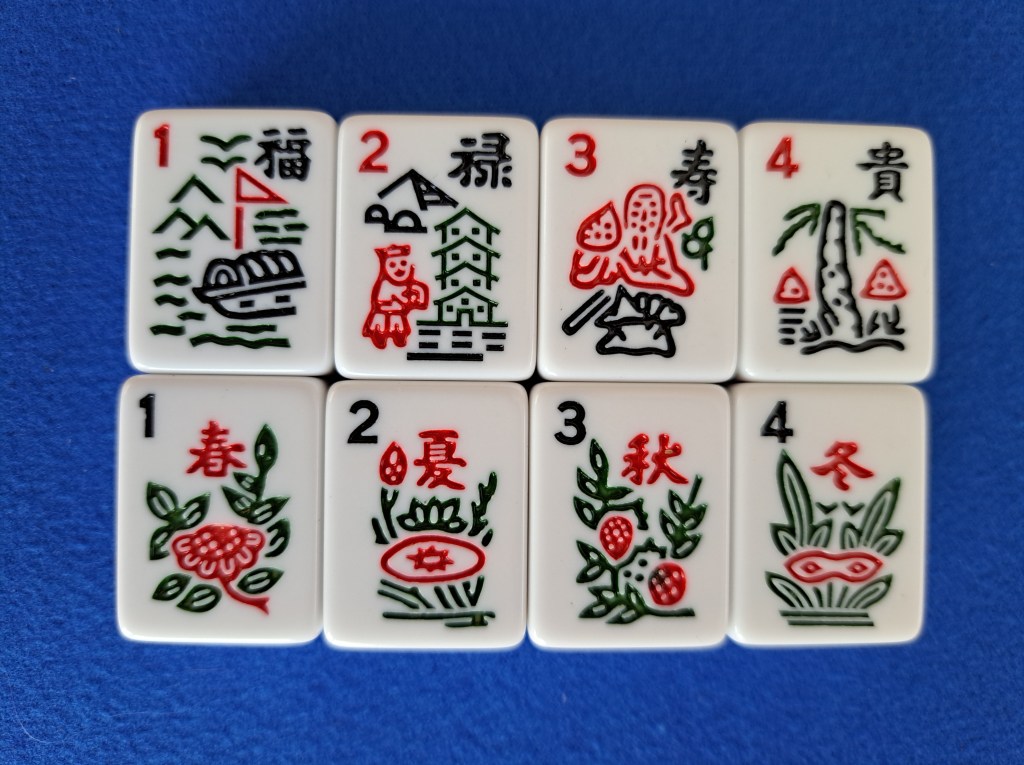
Common flower sets:
- Spring (春), Summer (夏), Autumn (秋), Winter (冬)
- Plum (梅), Orchid (蘭), Chrysanthemum (菊), Bamboo (竹)
Each tile may be marked with the flower name and a number (1–4), but for American Mahjong, any two flower tiles can form a valid pair, regardless of number.
4. Jokers (8 tiles)
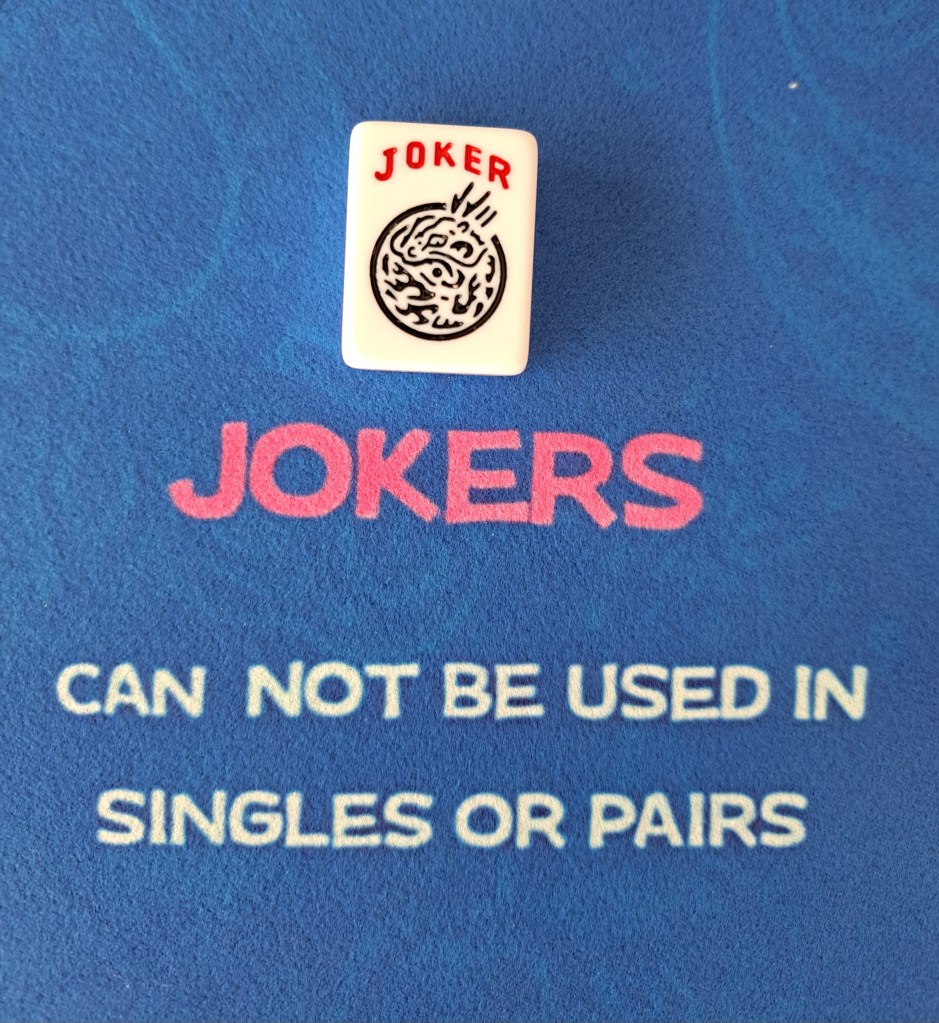
Jokers are a defining feature of American Mahjong. There are eight Joker tiles in each set, and they can be used as wild cards in most combinations (but not in pairs or during The Charleston, the opening tile exchange).
- Used to substitute any tile in a Pung (three of a kind), Kong (four of a kind), Quint, or Sextet
- Cannot be used to form a pair
- Cannot be passed during the Charleston
Identifying an American Mahjong Set
American Mahjong sets are easy to distinguish from Chinese ones due to several key features:
- Inclusion of Jokers
- Use of numerals
- Detailed flower tile illustrations
- Often includes a racking system
Some sets may also feature dragons and flowers with custom artwork—ranging from elegant brushstrokes to playful birds or seasonal motifs.
Final Thoughts
American Mahjong is a dynamic blend of tradition, creativity, and strategy. The tile set itself tells a story—about the game’s history, cultural adaptation, and the joy of community play. Whether you’re a beginner learning the difference between a Crak and a Bam, or a seasoned player chasing your next Joker, understanding the tiles is the first step toward mastering the game.
So shuffle up your set and dive into the tiles—you’ll be hooked in no time.
Additional Reading
Online Coaching
You’ll get individualized guidance that will help build confidence and clarity.
Whether you’re brand new or ready to refine your strategy, this coaching experience meets you where you are. Every session is personalized, supportive, and rooted in a growth mindset because Mahjong is more than a game.
Book a time that works for you, settle in with your card, I Love Mahj, and Zoom. (Tiles optional.) Let’s build your skills step by step.

Stay Connected with Mahj Mind
Got a question or idea? Email us: MahjMind@gmail.com
Join the community: Mahj Mind AZ Facebook Group

Leave a comment