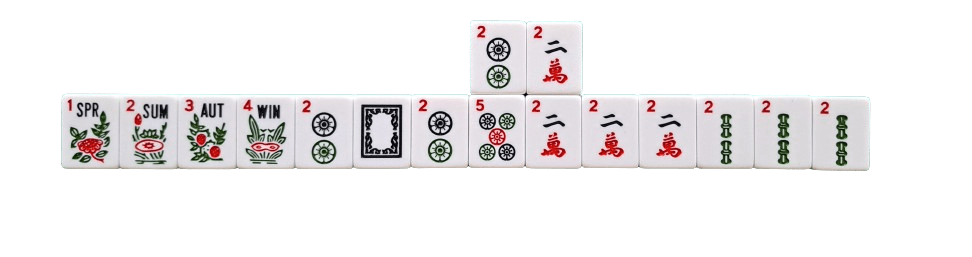
One of the trickiest but most important skills in American Mahjong is knowing when and how to switch hands. You may start the game with a clear plan, but as the game progresses and new tiles come into your rack and tiles are discarded, the hand you thought was perfect might start looking impossible.
That’s where flexibility comes in. The 2025 NMJL card has plenty of overlap between categories, giving you multiple paths to pivot if your original plan isn’t working out. Being able to change hands depends on discards and exposures you have already made and the exposures of other players.
Let’s break it down.
Why Switching Hands Matters
Mahjong isn’t just about sticking with the first hand you spot. Successful players:
- Stay open to options when the tiles don’t cooperate.
- Save time by pivoting early, before the wall gets low.
- Maximize wins by spotting backup hands with overlapping tiles.
Think of it as keeping a “Plan B” (and sometimes even a Plan C) while you play.
Hands with Common Tiles on the 2025 NMJL Card
Here are some examples of hands that share lots of tiles—making it easier to pivot between them during play:
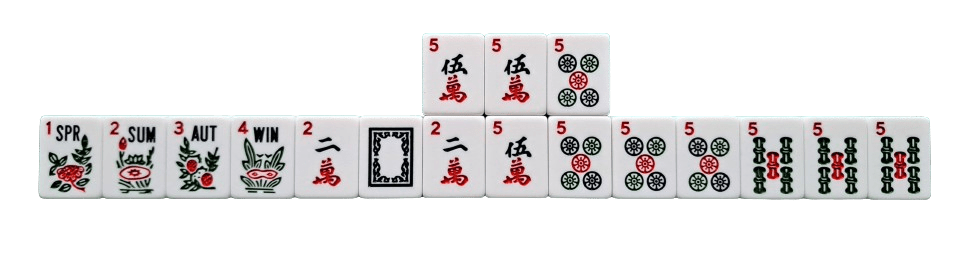
- 2025 Line 1 → Any Like Number Line 2
- 12 tiles in common when you use 2s.
- 11 tiles in common when using 5s.
- Lots of overlap with other Any Like Number hands.
- 12 tiles in common when you use 2s.
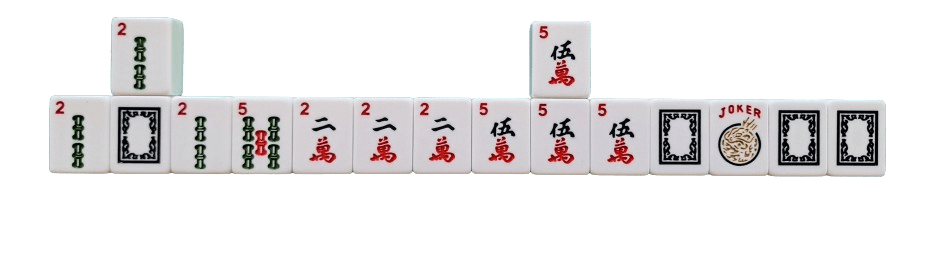
- 2025 Line 3 → 2025 Line 2
- 12 tiles in common.
- 12 tiles in common.
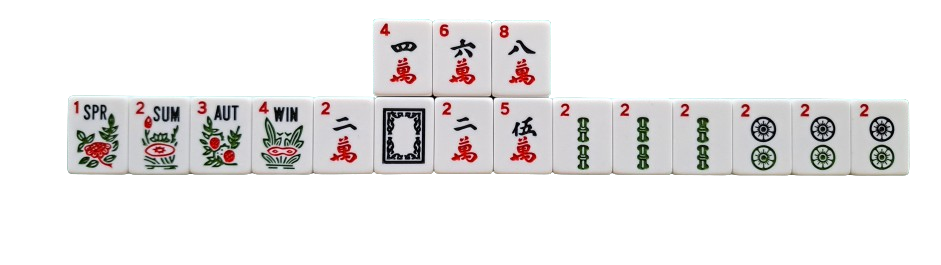
- 2025 Line 1 → 2468 Line 4
- 11 tiles in common.
- Both use 4 Flowers and 2s in all 3 suits.
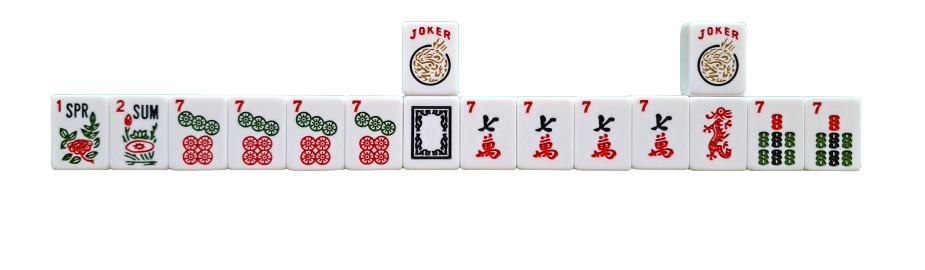
- Any Like Number Line 1 → Quints Line 3
- 12 tiles in common.
- If you’ve got like numbers, a pair of Flowers, and a few Jokers, this pivot can land you a higher-scoring hand.

- Consecutive Run Line 3b → Quints Line 1
- 11 tiles in common.
- Both start with Flowers and use 3 consecutive numbers in 3 suits.
- If Jokers fall into place, go for the higher-value Quint hand.
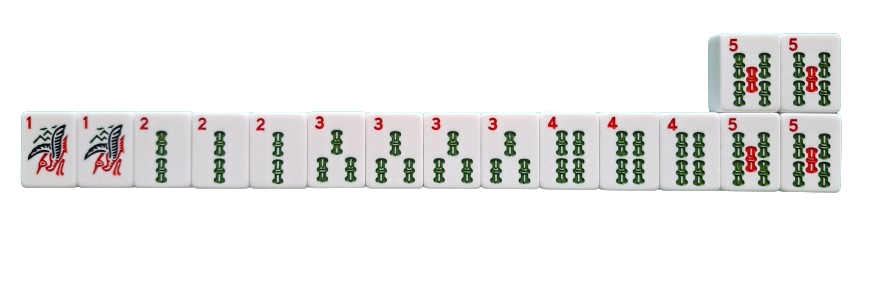
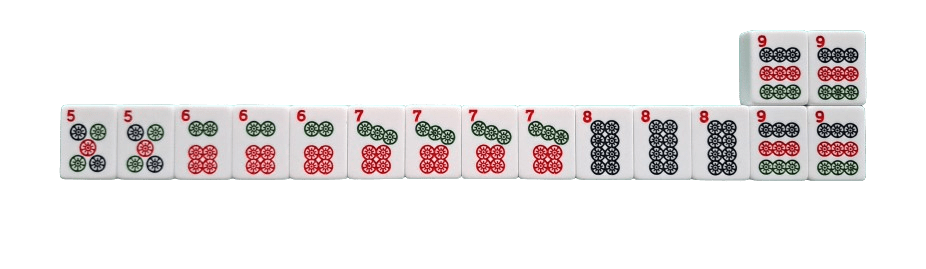
- Consecutive Run Line 1 (a or b) → Consecutive Run Line 2a
- 12 tiles in common.
- Great backup if the first pair for Consecutive Run line 1 isn’t showing up.
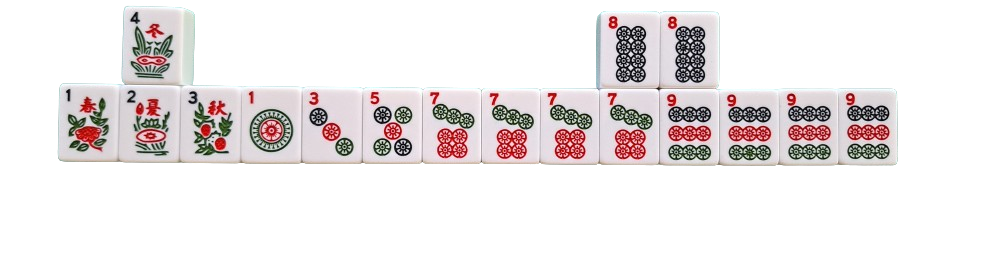
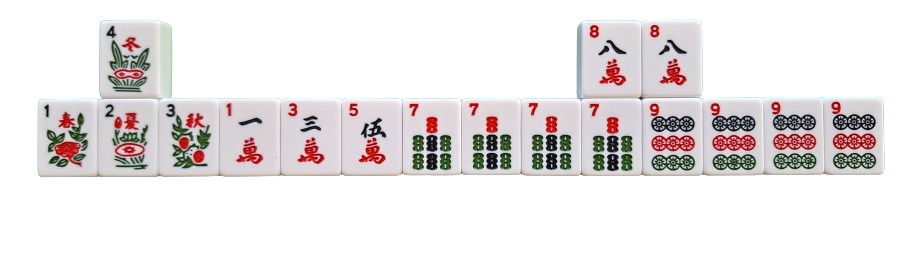
- 13579 Line 5 (a or b) → Consecutive Run Line 3 (a or b)
- 11 tiles in common. If you’re working with 7s and 9s you can shift between these two hands in either one suit or three suits.
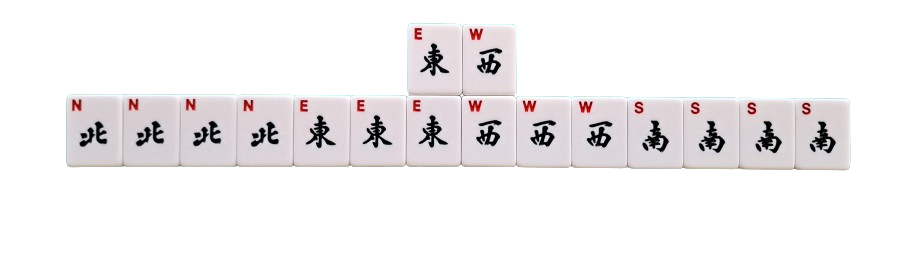
- Winds & Dragons Line 1a and b
- 12 tiles in common.
- Switching between versions is seamless.
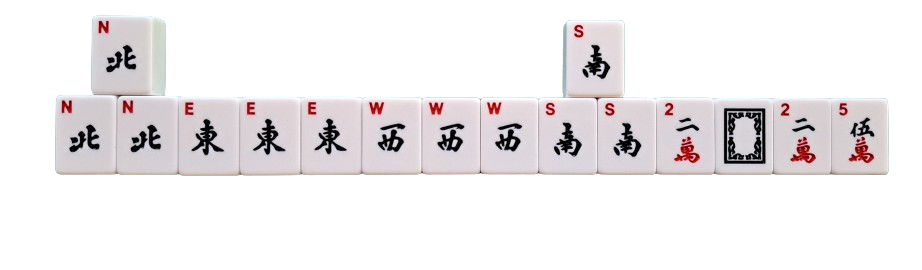
- WD Line 7a and b
- 12 tiles in common.
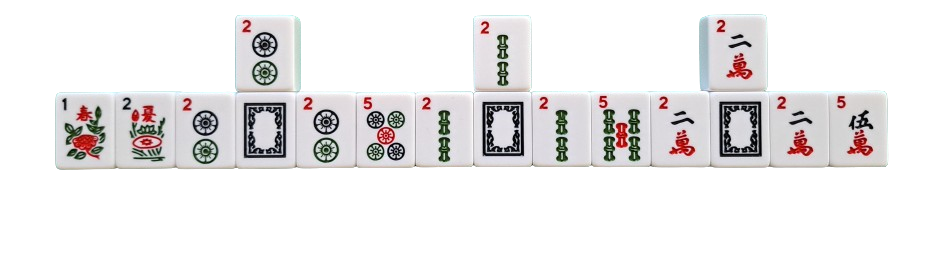
- Singles & Pairs Line 6 → Any Like Number Line 3
- 11 tiles in common.
- Any Like Number line 3 (using 2s and White Dragons) is a reliable fallback.
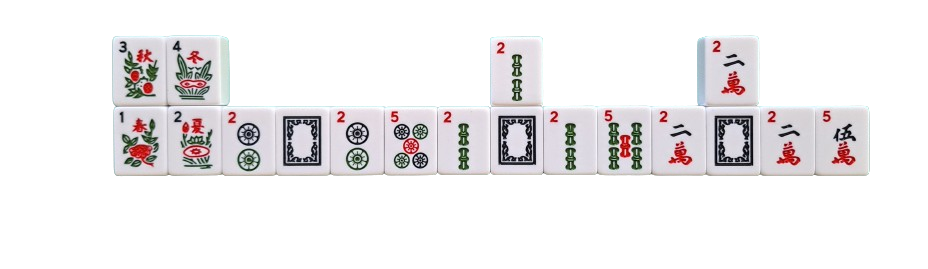
- Singles & Pairs Line 6 → 2025 Line 1
- 10 tiles in common. Another great Plan B if Singles and Pairs line 6 is stalling.
Tips for Switching Hands Successfully
- Spot overlap early: As you arrange tiles, notice which categories share Flowers, numbers, or suits.
- Don’t cling too long: If a hand isn’t coming together by mid-game, consider pivoting.
- Use Jokers wisely: They make hand-switching easier by covering gaps in new directions.
- Stay calm: Switching hands is a skill—don’t see it as failure, but as smart adaptation.
Final Thoughts
The 2025 NMJL card has multiple hands that share common structures, Flowers, or suits, giving you multiple paths to success.
The best Mahjong players aren’t just good at spotting one hand, they’re great at recognizing when it’s time to pivot. Stay flexible, watch the tiles, and don’t be afraid to change your plan.
That’s how you’ll turn a “stuck” hand into a winning one.
Source: National Mah Jongg League’s 2025 Card Full Analysis
Stay Connected with Mahj Mind
Email us: MahjMind@gmail.com
Join the community: Mahj Mind AZ Facebook Group

Leave a comment