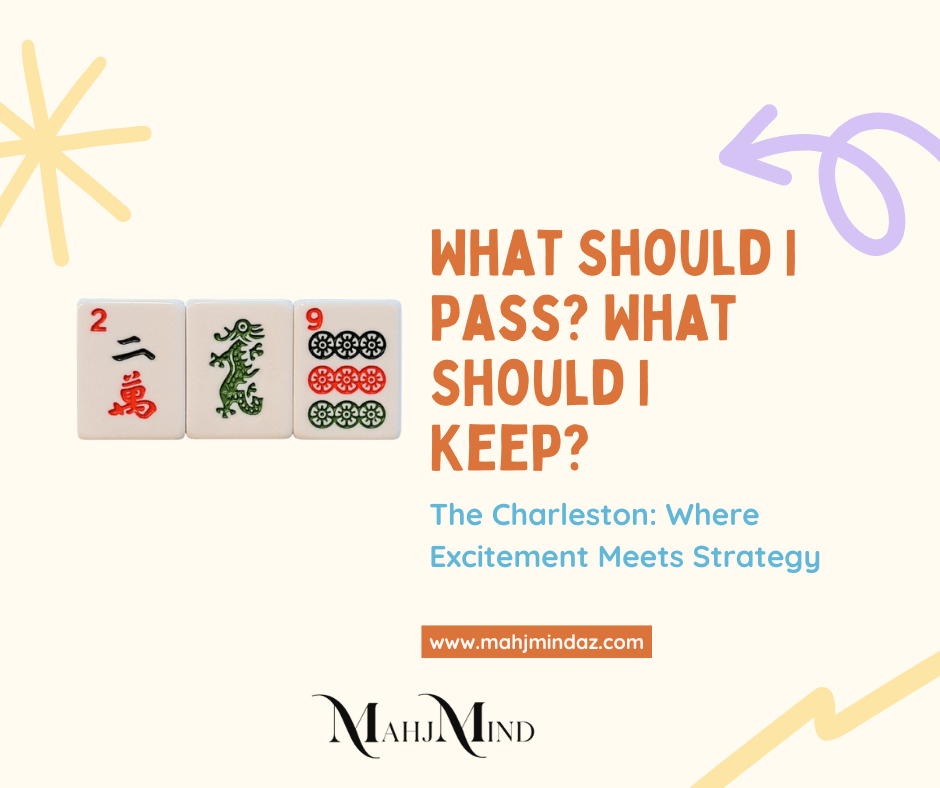
The Charleston: Where Excitement Meets Strategy
The Charleston is one of the most challenging aspects of American Mahjong. You’ve just received your tiles, your mind is buzzing with possibilities, and you need to start making decisions that will shape your entire hand.
If you’ve ever wondered What do I keep? What do I pass?, you’re not alone. The Charleston can feel like a high-stakes puzzle. But here’s the good news: with a little guidance and practice, the Charleston can shift from stressful to strategic. It’s your first opportunity to set yourself up for success.
Let’s break it down together.
What Is the Charleston?
The Charleston is your chance to refine your hand before play begins. After tiles are dealt, players pass and receive tiles in two rounds (plus optional courtesy), giving you space to build momentum and shape your strategy.
Think of the Charleston as your first conversation with the tiles. It’s a mix of opportunity, intuition, and defense.
Your two goals during the Charleston:
1. Build the strongest possible hand
Collect patterns, gather “friends” (tiles that play well together), and stay flexible.
2. Avoid helping your opponents
Pass tiles that don’t naturally connect or strengthen another player’s hand.
The magic is in balancing both.
And remember: second-guessing is normal. You will pass tiles you later wish you’d kept. Keep going. The Charleston is wonderfully forgiving. Tiles can circle back, and new opportunities will appear.
Passing Defensively: Protect Your Position
While your goal is to improve your hand, defensive passing keeps opponents from running away with an early advantage.
Avoid Passing These (Whenever Possible):
- Jokers – Not allowed to pass.
- Flowers – Appear in over 40% of 2025 card hands.
- Pairs – Two of a kind.
- Pungs – Three of a kind.
- Soaps / White Dragons – Used across multiple sections.
Avoid Passing These Combinations:
- Matching Winds (N/S or E/W)
- Like Numbers (same number across suits)
- Consecutive same-suit numbers with their matching Dragon
Passing combinations gives away information about what you aren’t collecting and may give too much advantage.
Best Tiles to Pass: Unrelated tiles
They don’t naturally connect and keep opponents guessing. If they don’t help you and avoids strengthening others, they’re better passes.
| Tile you want to Pass | Unrelated Tiles |
|---|---|
| 1s | 6s and 8s |
| 2s | 7s and 9s |
| 3s | 8s |
| 4s | 9s |
| 5s | – |
| 6s | 1s |
| 7s | 2s |
| 8s | 1s and 3s |
| 9s | 2s and 4s |
Examples:
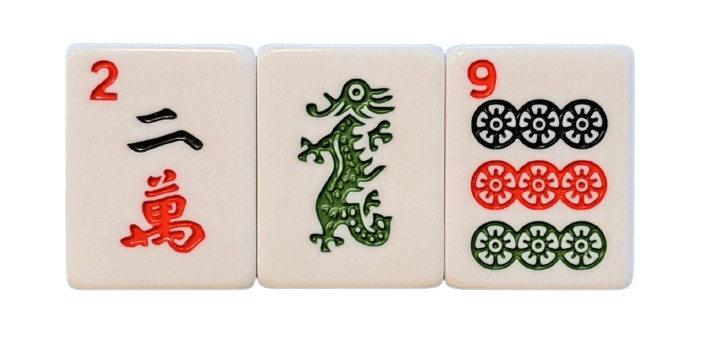
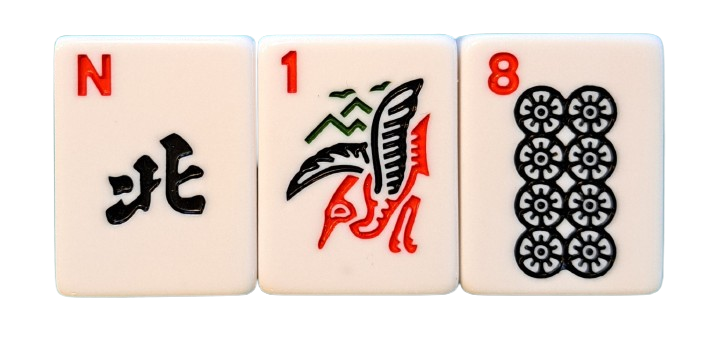
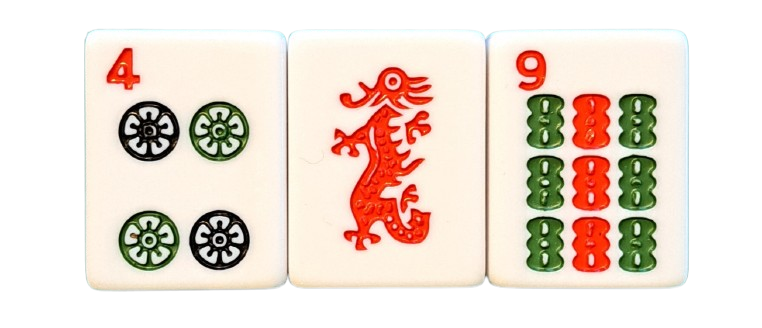
Making Smart Decisions: Read What Your Hand Is Telling You
The Charleston isn’t only about passing, it’s about discovering your direction. Look for natural groupings in your tiles and let them guide you.
Strong Early Patterns to Watch For:
- Even Numbers (2-4-6-8) → Lean into evens; pass odds
- 369 Patterns → Keep clusters of 3s, 6s, 9s
- Like Numbers → Three or more identical numbers across suits
- 13579 Runs → Strong progressions with excellent hand options
How to Analyze Your Hand:
1. Count Your Jokers
- 0 Jokers: Stay open to Singles & Pairs hands
- 3+ Jokers: Consider Quints
2. Identify Pairs and Multiples
These are your anchors for building your hand, especially if they have “friends”.
3. Look for Complementary Groups
Your “friends” are pairs or clusters that belong in the same category.
4. Assess High vs. Low
Count your low tiles (1–5) and high tiles (5–9). This can help you identify consecutive runs or other patterns in 13579.
5. Compare Odd vs. Even
Compare your odd-numbered and even-numbered tiles. A clear imbalance often signals the best direction to follow.
If you’re still unsure?
Pass three safe tiles and stay flexible.
Keep What Helps. Pass What Doesn’t.
Before every pass, ask:
- Does this tile fit the pattern I’m building?
- Can I use it in a pung, kong, or run?
- Does it match my section?
Flexibility Is Your Superpower
In the first two passes, keep your options open. Explore multiple sections. Let your hand reveal itself, then narrow your choices to no more than two categories as the Charleston progresses.
Commit to a category and then a hand only when the pattern of your tiles becomes clear.
This ability to pivot is what turns beginners into confident players.
When Your Hand Looks Like Chaos
Believe it or not, you always have options.
Look for:
- Two Winds? Explore Wind hands.
- A Soap? Consider Date/Year or Dragon-based hands.
- Scattered numbers? Like Numbers or Consecutive Runs might be forming.
Stay curious. Some of your best hands will come from messy starts.
What to Do with “Rejects”
Tiles that come back to you aren’t mistakes, they’re clues.
They reveal:
- What others don’t want
- What patterns they may be pursuing
- Tiles that might fit your hand after all
- Safe discards when the game starts
Stay observant and open. Every tile brings information.
You’ve Got This
The Charleston is where strategy meets intuition. With each game, you’ll:
- read patterns faster
- pass with intention
- build stronger hands
- feel more confident with every tile
This phase is your opening dance with the tiles.
Your Charleston Mindset
Bring:
- Confidence – Trust your reads.
- Patience – Take your time.
- Observation – Notice patterns in the passes.
- Adaptability – Pivot when something better appears.
- Grace – Let go of imperfect decisions.
Great players don’t pass perfectly, they respond wisely.
Take a breath, trust yourself, and pass with purpose. Your winning hand begins here.
Stay Connected with Mahj Mind
Email us: MahjMind@gmail.com
Join the community: Mahj Mind AZ Facebook Group

Leave a comment