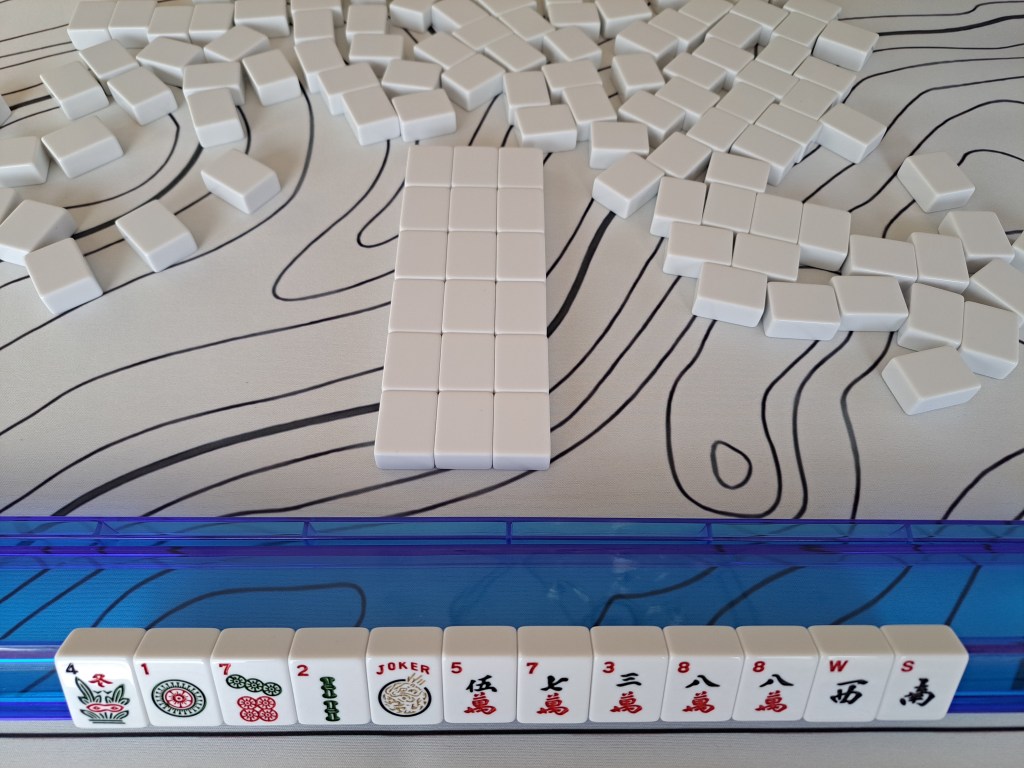
Joining a table of seasoned American Mahjong players can be exciting, but also a bit overwhelming. They move fast, make quick decisions, and often seem to know exactly what they’re doing. If you’re new, it’s normal to feel like you’re slowing things down.
The good news? Every experienced player started exactly where you are. With a few practical habits, you’ll build confidence, keep up with the pace, and enjoy the game without sacrificing your learning experience.
1. Play Often to Get Faster
Speed in Mahjong develops through practice, not pressure. The more you play, the easier it becomes to recognize patterns and make quick, instinctive decisions.
How to Practice:
- Use your home set to play solo or with friends.
- Play online at your own pace (e.g., I Love Mahj Promo Code: MAHJMIND*).
- Watch tutorial videos or sample hand breakdowns.
- Try solo drills or mock Charleston rounds to build tile recognition.
You don’t need to be fast right away—just keep playing consistently, and your speed will come naturally.
2. Stay Flexible — Let the Tiles Guide You
One of the biggest beginner mistakes is committing to a specific hand too early. Instead, pick a category—like 2-4-6-8, Consecutive Runs, or Winds & Dragons—and allow your tiles to guide you as the game unfolds.
This gives you more options, helps you make faster decisions, and reduces frustration if your first plan doesn’t pan out. After the Charleston and a few draws, your hand will take shape, and then you can commit to a specific hand.
Tip: Flexibility is a key skill that will serve you well, especially early in the game.
3. Build Around Multiples (Pairs, Pungs, or Kongs)
A quick way to organize your hand is to focus on your multiples—tiles you have two or three of. These sets often form the foundation of a winning hand. By identifying your multiples first, you can easily spot which single tiles don’t belong and discard them confidently. This strategy helps you stay focused, reduces overthinking, and lets your hand come together faster.
4. Prepare Your Discard in Advance
A simple way to keep up with faster players is to always have your next discard ready. Before your turn, identify a tile you don’t need and move it to one side of your rack.
When it’s your turn:
Draw → Rack → Discard → Then reassess.
This helps the game flow smoothly and avoids mistakes like discarding the tile you just drew, only to realize it was useful.
5. Keep Decisions Short and Simple
If you hit a moment where you’re unsure what to do (especially during the Charleston or mid-game), that’s normal. But try not to take too long.
Quick Tip:
If you need a little more time, just say, “Give me a moment.” Give yourself 10 seconds to decide. That’s all—no need to explain your thought process. Avoid saying things like:
- “I need to pick a hand.”
- “I’m not sure what to play.”
These comments may reveal more about your strategy than you intend. Keep your words neutral and calm.
6. Don’t Worry About One Bad Discard
If you’re unsure what to throw, pick a tile and move on. Use the rest of the round to regroup and plan your next move.
Everyone discards a useful tile now and then—even seasoned players. You may get it back, pull a joker, or shift your strategy altogether.
Reminder: Don’t aim for perfection. Just keep the game moving and trust that you’re improving with every game.
7. Respect the Flow of the Game
Good etiquette matters—especially when you’re new to a group. You don’t have to play perfectly, but being focused, prepared, and respectful of time shows you’re serious about learning.
Keeping the pace of play steady makes the experience more enjoyable for everyone and increases your chances of being invited back!
Bonus Tips to Level Up Faster
Want to boost your skills between games? Try this:
- Study the current year’s card to recognize patterns quickly.
- Run solo Charleston rounds to improve hand selection.
- Practice online with bots—they don’t mind how long you take!
- Watch experienced players and observe their discards and exposures.
- Pay attention to tiles being passed, exposed, or discarded—there’s a lot to learn just by watching.
Final Thoughts
No one starts as an expert. Every Mahjong player has had a “nothing” hand, made a regrettable discard, or gotten stuck mid-Charleston. What matters most is that you keep learning, stay respectful at the table, and enjoy the journey.
With time and practice, you won’t just keep up, you’ll thrive. And one day, you’ll be the one helping a nervous new player feel right at home.
Additional Sources
- Play Online at I Love Mahj Promo Code: MAHJMIND*
- American Mah Jongg Lesson Skill Builder Charleston Sprints (mock card)
- Tom Sloper’s weekly column
* Your free trial will be for 3 weeks instead of the usual 2 weeks if you use the promo code and Mahj Mind will receive a commission if you make a purchase.
Additional Reading
Stay Connected with Mahj Mind
Got a question or idea? Email us: MahjMind@gmail.com
Join the community: Mahj Mind AZ Facebook Group

Leave a comment